
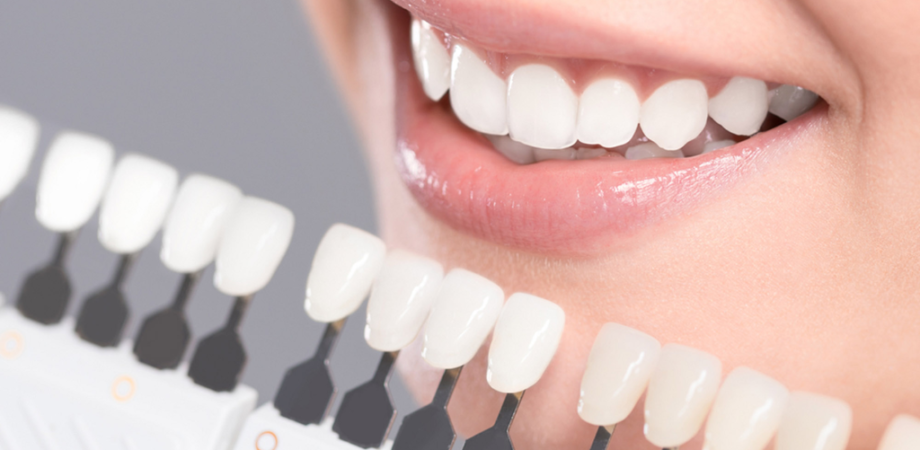
Dental veneers are a popular cosmetic dentistry solution, providing individuals with the opportunity to enhance their smiles. Choosing between porcelain and composite dental veneers is a crucial decision that requires careful consideration. In this article, we will delve into the characteristics, advantages, and drawbacks of both options to help you make an informed choice.
Understanding Porcelain Veneers
Porcelain veneers are thin shells crafted from dental-grade porcelain. Known for their durability and natural appearance, these veneers are a long-lasting solution for achieving a radiant smile. The composition of porcelain ensures resistance to stains, making them an ideal choice for those seeking a permanent aesthetic improvement.
Exploring Composite Veneers
Composite veneers, on the other hand, are made from a blend of resin and other materials. While they may not match the longevity of porcelain, they offer unique advantages. Composite veneers are more affordable and can be repaired easily if damaged, providing a practical alternative for certain individuals.
Factors Influencing Choice
Several factors should influence your choice between porcelain and composite veneers. Your budget, aesthetic preferences, and current dental health conditions all play a role in making the right decision for your unique situation.
- Porcelain vs. Composite: Aesthetics – When it comes to aesthetics, both porcelain and composite veneers can provide a natural appearance. However, porcelain veneers are often praised for their exceptional color matching capabilities, creating a seamlessly beautiful smile.
- Durability and Longevity – Durability is a significant consideration. Porcelain veneers, being more resistant to wear and stains, typically have a longer lifespan compared to composite veneers. Understanding the differences in durability is crucial for making a choice that aligns with your lifestyle.
- Cost Comparison -While porcelain veneers boast longevity, they also come with a higher initial cost. On the other hand, composite veneers are a more budget-friendly option upfront but may incur additional expenses over time due to repairs and replacements.
- Preparation and Procedure – The process of getting porcelain veneers involves several steps, including the removal of a thin layer of enamel. Composite veneers, being a less invasive option, may not require as much enamel removal. Understanding the preparation and procedure involved is essential for managing expectations.
- Maintenance and Aftercare -Both types of veneers demand proper care and maintenance. Regular oral hygiene practices, such as brushing and flossing, are crucial. Additionally, attending follow-up appointments with your dentist ensures the longevity of your chosen veneers.
- Potential Risks and Drawbacks -Porcelain veneers may pose challenges such as chipping, especially if you have a habit of teeth grinding. On the other hand, composite veneers may be more prone to staining. Evaluating potential risks and drawbacks is vital for a well-rounded decision.
- Case Studies: Real Experiences – To provide a comprehensive view, we will explore real-life experiences of individuals who have opted for porcelain or composite veneers. Their stories can offer valuable insights into what to expect and help you relate to the decision-making process.
- Professional Recommendations -Dental professionals play a pivotal role in guiding patients towards the most suitable option. Consulting with your dentist allows for personalized recommendations based on your unique dental conditions and expectations.
- Making an Informed Decision -Summarizing the key points discussed, making an informed decision involves weighing the pros and cons of both porcelain and composite veneers. Ultimately, consulting with a dentist and understanding your own needs will lead to the best choice for your smile transformation.
Conclusion
Choosing between porcelain and composite dental veneers is a significant decision that requires careful consideration. By understanding the nuances of each option and considering individual factors, you can make a choice that aligns with your aesthetic goals, budget, and dental health.