
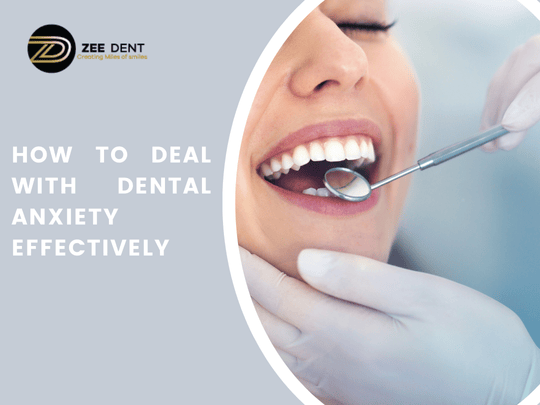
Picture this: you’re sitting in the waiting room, heart racing, palms sweaty, and all you can think about is that dental chair looming ahead. If this sounds familiar, you’re not alone—dental anxiety affects millions of people worldwide. But what if we told you there’s a way to transform those feelings of dread into confidence and calm? In our latest blog post, “From Worry to Wellness,” we’ll explore effective strategies for overcoming your fear of the dentist. Whether it’s breathing techniques or finding the right supportive environment, we’ve got tips and tricks that will have you saying goodbye to anxiety and hello to a healthier smile! So take a deep breath as we journey from worry to wellness together—your teeth (and mind) will thank you!
Causes of Dental Anxiety
Dental anxiety can stem from various factors, often deeply rooted in personal experiences. One major cause is fear of pain. Many people associate dental visits with discomfort, leading to a cycle of avoidance.
Past traumatic experiences play a significant role as well. A negative encounter at the dentist’s office can leave lasting impressions that resurface during future appointments.
Another contributing factor is the feeling of helplessness while seated in the dental chair. The lack of control over one’s surroundings can heighten anxiety levels significantly.
Additionally, societal stigma about dental treatments adds pressure and fear for many individuals. Worries about judgment or embarrassment regarding oral health issues can prevent them from seeking necessary care.
Lastly, generalized anxiety disorders may also amplify feelings related to dental visits, making it even harder for some individuals to cope effectively with their fears.
Impact of Dental Anxiety on Oral Health
Dental anxiety can lead to serious repercussions for your oral health. When fear grips you, skipping appointments becomes all too common. This avoidance means issues like cavities or gum disease go unchecked.
The stress of anxiety often manifests physically as well. Many individuals may grind their teeth or clench their jaws, leading to wear and tear over time.
Increased levels of anxiety can also affect saliva production, which plays a vital role in protecting against decay and maintaining a balanced oral environment. Without adequate saliva, the risk of developing dental problems rises significantly.
Moreover, when someone is anxious about visiting the dentist, they might neglect daily oral hygiene practices at home. Brushing and flossing become less consistent, allowing plaque build-up that contributes to further complications down the line.
Techniques for Coping with Dental Anxiety
Feeling anxious about a visit to the dentist is more common than you might think. Dental anxiety can stem from various sources, such as past experiences, fear of pain, or even the sounds and smells associated with a dental office. Fortunately, there are effective techniques to help manage these feelings, allowing you to approach dental care with greater comfort and confidence. Let’s explore practical strategies to help you cope with dental anxiety and ensure your next visit is a positive one.
1. Deep Breathing Exercises
Deep breathing exercises are a powerful tool for managing dental anxiety. They help in calming the mind and reducing tension in the body. When faced with fear, our breath often becomes shallow and rapid. By consciously slowing it down, we send signals to our brain that everything is okay.
To practice deep breathing, find a comfortable position. Close your eyes if it helps you concentrate. Take a deep breath in through your nose while counting to four, letting your belly fully expand. Hold your breath for a count of four, then gently exhale through your mouth.
Repeat this process several times until you begin to feel more relaxed. Incorporating these exercises into your routine can make a significant difference when facing dental appointments or any stressful situation.
Regular practice not only eases anxiety but also promotes overall emotional well-being. A few moments spent on deep breathing may transform how you approach dental visits forever.
2. Distraction Techniques
Distraction techniques can be incredibly helpful for those dealing with dental anxiety. By shifting your focus away from the procedure, you may find it easier to manage feelings of fear.
One effective method is listening to music. Bring along your favorite playlist or some calming tunes. This not only drowns out the sounds of dental equipment but also creates a comforting atmosphere.
Another option is engaging in visual distractions. Consider using a stress ball or fidget spinner during your appointment. These simple tools can keep your hands busy and help ease tension.
You might also try guided imagery. Picture yourself in a serene place, like a beach or forest, while you’re in the chair. Focusing on this mental escape can significantly reduce anxiety levels.
Lastly, chatting with someone nearby—whether it’s the dentist or an assistant—can redirect your thoughts and create a more relaxed environment during treatment.
3. Mindfulness and Relaxation Techniques
Mindfulness and relaxation techniques can be powerful allies in managing dental anxiety. By focusing your attention on the present moment, you can reduce feelings of fear and apprehension.
Start with simple breathing exercises. Take a deep breath in through your nose, hold it for a count of four, and then slowly release the breath through your mouth. Repeat this several times to calm racing thoughts.
Visualization is another effective method. Imagine yourself in a serene place—a beach or a peaceful garden—where you feel safe and relaxed. Picture every detail vividly; let this imagery soothe you.
Progressive muscle relaxation can also help ease tension. Tense each muscle group for a few seconds, then release it gradually. This process promotes physical relaxation while distracting your mind from anxious thoughts.
Incorporating these techniques into your routine before visits can create a more comfortable experience at the dentist’s office.
4. Communication with your Dentist
Open communication with your dentist is essential for managing dental anxiety. Feel free to express your thoughts and worries. They can provide reassurance and address any fears you may have.
Before your appointment, express what worries you most. This might include fear of pain or the sounds of dental instruments. Knowing that your dentist acknowledges these feelings can make a difference.
Ask questions about procedures too. Understanding what will happen step-by-step can ease tension significantly. When you know what to expect, it often feels less daunting.
Additionally, discuss any preferences regarding treatment methods or sedation options available to you. Your comfort during appointments should always be a priority.
Remember, dentists are trained to help anxious patients feel at ease. Building this trust allows for a more positive experience each time you visit the clinic.
Conclusion
Managing dental anxiety is essential for maintaining both your mental and oral health. At Zee Dent, we believe that understanding the causes of dental anxiety can empower you to tackle it head-on. By using techniques like deep breathing, distraction, and mindfulness, you can significantly ease the stress associated with dental visits. Let Zee Dent help you transform your experience from worry to wellness.