
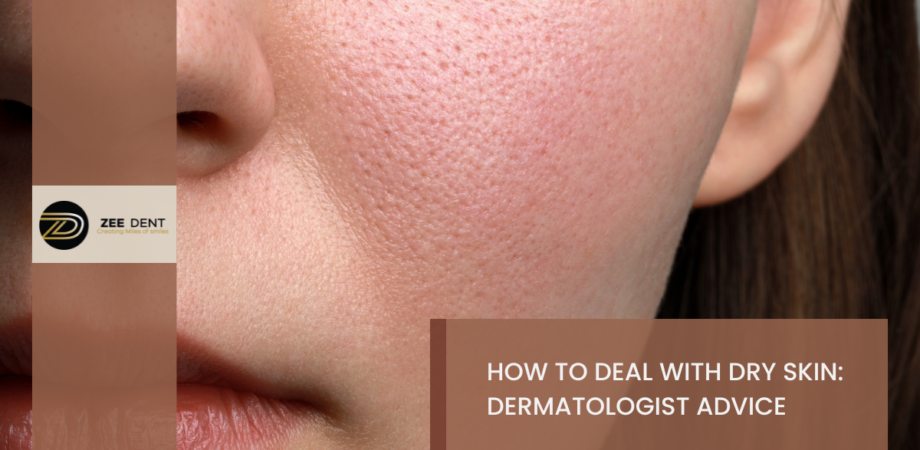
Are you tired of battling the uncomfortable itch and tightness that comes with dry skin? You’re not alone! As the seasons change or environmental factors take their toll, many find themselves grappling with flaky, parched skin. But fear not—relief is within reach!
We’ve teamed up with leading dermatologists to uncover expert advice on how to effectively combat dryness and restore your skin’s natural glow.
Understanding how to care for your skin properly can make all the difference. With expert advice from dermatologists and the right products at hand, dealing with dry skin doesn’t have to be a constant struggle. Let’s dive into what causes this common issue and explore practical tips to keep your skin glowing and nourished all year round.
What causes dry skin?
- Dry skin can arise from various factors. Environmental conditions play a significant role. Cold weather and low humidity levels strip moisture from your skin, leaving it parched.
- Then there’s the hot water factor. Long showers or baths may feel soothing but can actually damage your skin’s natural oils.
- Skin health is also influenced by genetics. Conditions like eczema or psoriasis often lead to dryness, making certain individuals more susceptible.
- Further complicating matters are lifestyle choices such as diet and hydration. Lack of essential fatty acids and not drinking enough water can worsen dry skin significantly.
- Additionally, aging affects our skin’s ability to retain moisture due to reduced oil production and slower cell turnover rates over time.
- Medications may contribute too; some treatments have side effects that include dryness among their lists of complications. Understanding these causes helps in addressing the issue effectively.
Understanding your skin type
Understanding your skin type is crucial for effective skincare. Skin can generally be classified into four main types: oily, dry, combination, and sensitive.
- Oily Skin: It often has a shiny appearance due to excess sebum production. You might notice enlarged pores and may be more prone to acne breakouts.
- Dry Skin: It feels tight or rough and may show flaky patches. This type lacks moisture and can sometimes lead to irritation or redness.
- Combination Skin: It exhibits characteristics of both oily and dry areas. Typically, the T-zone—forehead, nose, and chin—is oilier while cheeks can feel dry.
- Sensitive Skin: It reacts easily to products or environmental factors. It’s essential to choose gentle formulations that won’t cause irritation in this case.
Identifying your specific type helps tailor your skincare routine effectively for optimal results.
Dermatologist tips for preventing and treating dry skin
- To prevent and treat dry skin, dermatologists recommend starting with gentle cleansing. Use a mild, fragrance-free cleanser that won’t strip your skin of its natural oils.
- After washing, pat your skin dry instead of rubbing it. This helps retain moisture.
- Moisturizing is crucial. Opt for thicker creams or ointments rather than lotions, especially those containing hyaluronic acid or glycerin. Apply moisturizers immediately after bathing to lock in hydration.
- Hydration also matters from within. Drink plenty of water throughout the day to keep your skin supple.
- Consider using a humidifier in dry climates or during winter months to add moisture back into the air.
- Lastly, protect your skin from harsh weather conditions by wearing gloves and scarves when necessary. Small adjustments can make a significant difference in maintaining soft, healthy skin.
Lifestyle changes to improve dry skin
- Making simple lifestyle changes can significantly enhance the condition of dry skin. Start with hydration. Drinking enough water daily helps keep your skin cells plump and nourished.
- Consider adjusting your diet as well. Incorporate foods rich in omega-3 fatty acids like salmon, walnuts, and flaxseeds. These fats help improve skin barrier function, locking in moisture.
- Another effective change is to limit exposure to hot showers or baths. While they may feel soothing, hot water strips natural oils from your skin. Opt for warm water instead and keep showers brief.
- Humidity plays a role too; using a humidifier at home can infuse moisture back into the air during dry months. This small addition can make a big difference in how your skin feels.
- Finally, manage stress through activities like yoga or meditation. Stress often exacerbates dryness by triggering inflammatory responses in the body that affect the skin’s health.
Common mistakes to avoid when dealing with dry skin
- Many people unknowingly exacerbate their dry skin. One common mistake is over-cleansing. Scrubbing too hard or using harsh soaps can strip natural oils and worsen dryness.
- Another pitfall lies in skipping moisturizer. Some believe that moisturizers are unnecessary unless the skin feels tight. However, applying a hydrating product immediately after cleansing locks in moisture and helps maintain skin elasticity.
- People often overlook the importance of sunscreen as well. UV rays can contribute to further drying and damage, making daily SPF application crucial regardless of the weather.
- Lastly, neglecting hydration from within is a common error. Drinking adequate water throughout the day supports overall skin health and helps combat dryness effectively.
Properly caring for your skin is essential to keep it healthy and glowing. Dryness doesn’t have to be a recurring issue, as the above recommendations can help you effectively control and enhance your skin’s well-being. At Zee Dent, we recognize the significance of personalized skincare options. Our skilled dermatologists are dedicated to assisting you in achieving a flawless complexion. Are you ready to move forward? Get in touch with us now at +971 506388938 to arrange a consultation and embark on the path towards hydrated, radiant skin. Your skin deserves top-notch treatment!