
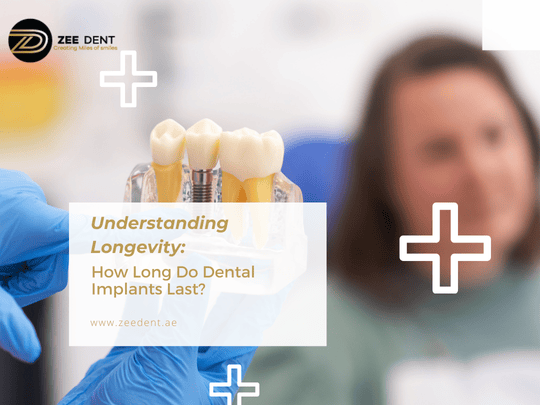
When it comes to restoring your smile, dental implants are often considered the top choice. But just how long can you expect these artificial roots to last in your mouth? In a world where we’re constantly seeking solutions that stand the test of time—be it in technology, fashion, or health—the longevity of dental implants is a question worth exploring. Join us on this journey as we delve into the factors influencing their lifespan, and reveal expert insights that will help you make informed decisions about your oral health. Whether you’re considering implants for yourself or simply curious about the latest advancements in dentistry, read on to discover what truly makes these remarkable restorations so enduring!
Factors Affecting the Longevity of Dental Implants
The longevity of dental implants hinges on several key factors. Each factor contributes to how long you can expect your dental implants to last in optimal conditions.
1. Quality of Implant Materials
The quality of implant materials plays a crucial role in the longevity and success of dental implants. High-quality titanium or zirconia is typically used due to its strength, durability, and biocompatibility. These materials integrate well with bone tissue, making them less likely to fail over time.
When you choose premium materials for your dental implants, you’re investing in something that can withstand daily wear and tear. Cheaper alternatives may seem appealing initially but can lead to complications down the line.
Moreover, advanced coatings on these materials enhance integration with jawbone. This means there’s less risk of movement or failure once the implant has been placed.
Ultimately, opting for high-grade implant materials contributes significantly to overall oral health and satisfaction with your dental restoration. It’s a decision worth considering when embarking on your journey toward better oral function and aesthetics.
2. Proper Placement by a Qualified Professional
The placement of dental implants is a critical factor in their longevity. A qualified professional has the expertise to ensure that every step is performed accurately. From assessing bone density to determining the precise angle for insertion, each detail matters.
An experienced dentist or oral surgeon understands the anatomy of your mouth and can navigate potential complications. They will create a tailored plan based on your unique needs, which significantly increases the chances of successful integration with your jawbone.
Moreover, proper placement minimizes discomfort during recovery and reduces risks associated with misalignment. If an implant isn’t placed correctly, it could lead to issues such as infection or improper bite alignment over time.
Choosing someone who specializes in implant dentistry ensures that you’re receiving care from someone up-to-date with current techniques and technologies. This investment in skilled craftsmanship pays off long-term by enhancing both function and aesthetics.
3. Oral Hygiene and Maintenance
Proper oral hygiene is essential for the long-term success of dental implants. Implants need regular care, much like natural teeth, to avoid potential problems.
Use a soft-bristled toothbrush to clean your teeth at least twice a day. This helps remove plaque and bacteria that can accumulate around the implant site. Flossing daily is equally important; it not only cleans your teeth but also reaches areas around the implant that are hard to access.
Consider using an antibacterial mouthwash to further reduce harmful bacteria in your mouth. Regular rinsing can promote healthier gums and support better healing for your implants.
Don’t forget about regular visits to your dentist. Professional cleanings help identify any potential issues early on, allowing for timely intervention if necessary. Your commitment to these practices will play a significant role in ensuring your dental implants remain strong and functional for years to come.
Average Lifespan of Dental Implants
Dental implants are created to provide a durable, long-term solution for replacing missing teeth. On average, they can last anywhere from 10 to 15 years, and in many cases, even longer with proper care.
The lifespan largely depends on various factors such as the patient’s oral hygiene habits and overall health. Many people enjoy their implants for decades when well-maintained.
Some studies suggest that up to 95% of dental implants remain functional after ten years. This impressive success rate highlights their durability compared to other tooth replacement options like dentures or bridges.
It’s important to keep in mind that personal experiences can differ from one person to another. Regular dental visits play a crucial role in monitoring implant health over time. With attention and care, your dental implants can serve you effectively for many years ahead.
Tips for Prolonging the Life of Your Dental Implants
To ensure your dental implants last, regular check-ups and cleanings are essential. Visiting your dentist every six months can help identify potential problems early on.
Good oral hygiene practices matter too. To maintain your dental implants, brush twice a day using a soft-bristle toothbrush and a non-abrasive toothpaste to prevent any damage to the implant surface. Don’t forget to floss around the implant area gently.
Avoiding bad habits is crucial for longevity. If you smoke, consider quitting; it significantly impacts healing and increases failure risk. Additionally, steer clear of chewing hard items like ice or pens that could damage your implants.
Stay mindful of your diet as well. A balanced intake rich in calcium and vitamins boosts gum health, supporting both natural teeth and implants alike.
Conclusion
Choosing high-quality dental implants from Zee Dent is essential for ensuring long-term satisfaction and success. Quality materials not only enhance the durability of your implants but also improve their compatibility with your body. When implants are placed correctly by a skilled professional, like those at Zee Dent, you increase the chances of achieving optimal results.