
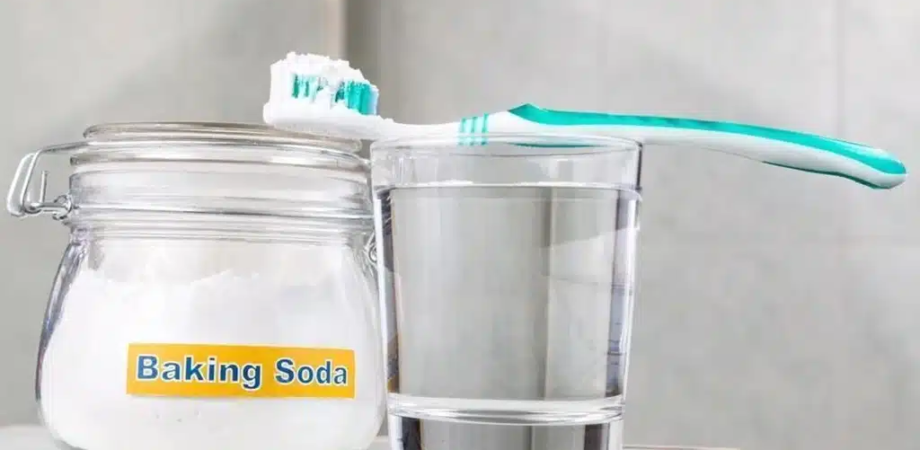
In today’s world, it seems that everyone is looking for the perfect smile. There are countless products out there that promise to whiten teeth and give us the pearly whites we’ve been dreaming of. Baking soda has become one of the most popular DIY solutions for teeth whitening, but is it really safe? From enamel erosion to gum irritation, it is important to understand why it is better to consult a professional dentist for teeth whitening instead.
Baking Soda & Teeth Whitening
Baking soda has become increasingly popular for teeth whitening, as a natural and affordable alternative to professional treatments. However, it is important to understand the potential dangers of using baking soda for teeth whitening. Baking soda can be too abrasive on the enamel of your teeth, leading to long-term damage and increased sensitivity. Furthermore, it may not be effective in removing some kinds of stains; leaving you with only half the results or worse!
A professional whitening treatment offers many advantages over at-home remedies like baking soda. Professional treatments are tailored specifically to your teeth’s needs, meaning that they yield much better results than DIY methods like baking soda. Not only that, but such treatments use special ingredients designed for safe and effective whitening without causing any damage or discomfort.
Benefits of Professional Whitening
It’s no secret that many people want to improve the colour of their teeth. While using baking soda to whiten teeth is an attractive option, due to its low cost and availability, it can be dangerous if used too often. Professional whitening with a dentist is typically considered a safer alternative and offers additional advantages as well.
Professional whitening is more effective than baking soda at lightening discolorations, even on tough stains such as those caused by smoking or coffee consumption. Professional whitening can be far more effective on the deeper internal stains of your teeth. Dentists are also trained in the application of professional-grade bleaching agents which are stronger than anything available over-the-counter and can yield results in fewer treatments. Furthermore, dentists will carefully monitor the process for any signs of irritation or damage before, during, and after each treatment session.
Pros of Baking Soda
Baking soda has been used as a whitening agent for centuries, and it remains a popular choice for those looking to brighten their smiles. While baking soda does offer some advantages over professional whitening treatments, there are potential risks associated with its use. Here are some of the pros of using baking soda for teeth whitening:
One advantage is that baking soda is very affordable compared to other products on the market. It’s an easy product to find at your local grocery store or pharmacy and doesn’t require any special equipment to use. This means you can save money by using it instead of spending more on professional treatments. Additionally, baking soda doesn’t require any bleaching process like many other products do—simply brush with it regularly and you should see results in just a few weeks.
Cons of Baking Soda
Baking soda has been used for many years as a household cleaner, but recent attention has been drawn to its use as an at-home teeth-whitening agent. While it might seem like a convenient and cost-effective alternative to professional teeth whitening, there are several cons to using baking soda that should be considered before trying this method.
The main con of using baking soda is the risk of excessive abrasion on tooth enamel. Baking soda is quite abrasive and when used over time can wear away tooth enamel, leading to sensitivity and even cavities in some cases. It can also cause gum inflammation if not mixed properly with water or other ingredients such as hydrogen peroxide.
Moreover they will only work to remove some of the superficial stains from coffee and food. Meaning it will not work on the deeper layers of your tooth. Moreover the abrasion from the use of baking soda can roughen your tooth surface on a micro level making it even more prone to catching stains!
Alternative Solutions
When it comes to teeth whitening, many people are turning towards DIY methods like baking soda. While this method may be more cost-effective, it can also have damaging effects on your teeth and gums. Professional teeth whitening services from a dentist are the safest and most effective way to get a brighter smile.
Baking soda is an alkaline substance that can cause enamel erosion by balancing the pH levels in your mouth. Over time, this abrasion can wear away at tooth enamel and make you more sensitive to hot or cold temperatures. Additionally, baking soda does not target specific stains on the surface of your teeth like professional whitening treatments do; rather, it alters the entire colour of your smile which can lead to discoloration or unevenness between different shades of white.
Conclusion: Choose Professionals
When it comes to teeth whitening, using baking soda is not the best option. There are many dangers associated with using this common household product. Baking soda can cause teeth sensitivity and even damage the enamel of the tooth if not used correctly. The risks far outweigh any potential benefit of using baking soda as a whitening agent.
The best way to obtain whiter teeth is by visiting a dentist for professional whitening services. Dentists use safe, reliable products that ensure stunning results without risking damage to your teeth or gums. Professional whitening treatments also provide longer-lasting effects than what could be achieved with home remedies like baking soda or over-the-counter products.
Ultimately, when it comes to professional-grade teeth whitening, entrusting a dental professional with your smile is the safest and most effective approach possible. Contact us today for more information on professional teeth whitening.